

Expert Tree Services in Johns Creek and Alpharetta: Protecting North Georgia's Fastest-Growing Communities
Johns Creek and Alpharetta represent North Georgia’s most desirable addresses, where technology professionals, corporate executives, and established families enjoy some of the region’s finest properties. These communities combine newer construction with mature landscaping, creating unique tree care requirements that demand professional expertise.
Francisco’s Trees 24/7 serves Johns Creek, Alpharetta, and surrounding North Fulton and Gwinnett communities with comprehensive tree services designed for the area’s distinctive needs. From modern estates with carefully planned landscapes to golf course communities where trees frame every view, we bring certified expertise and professional service to every property.
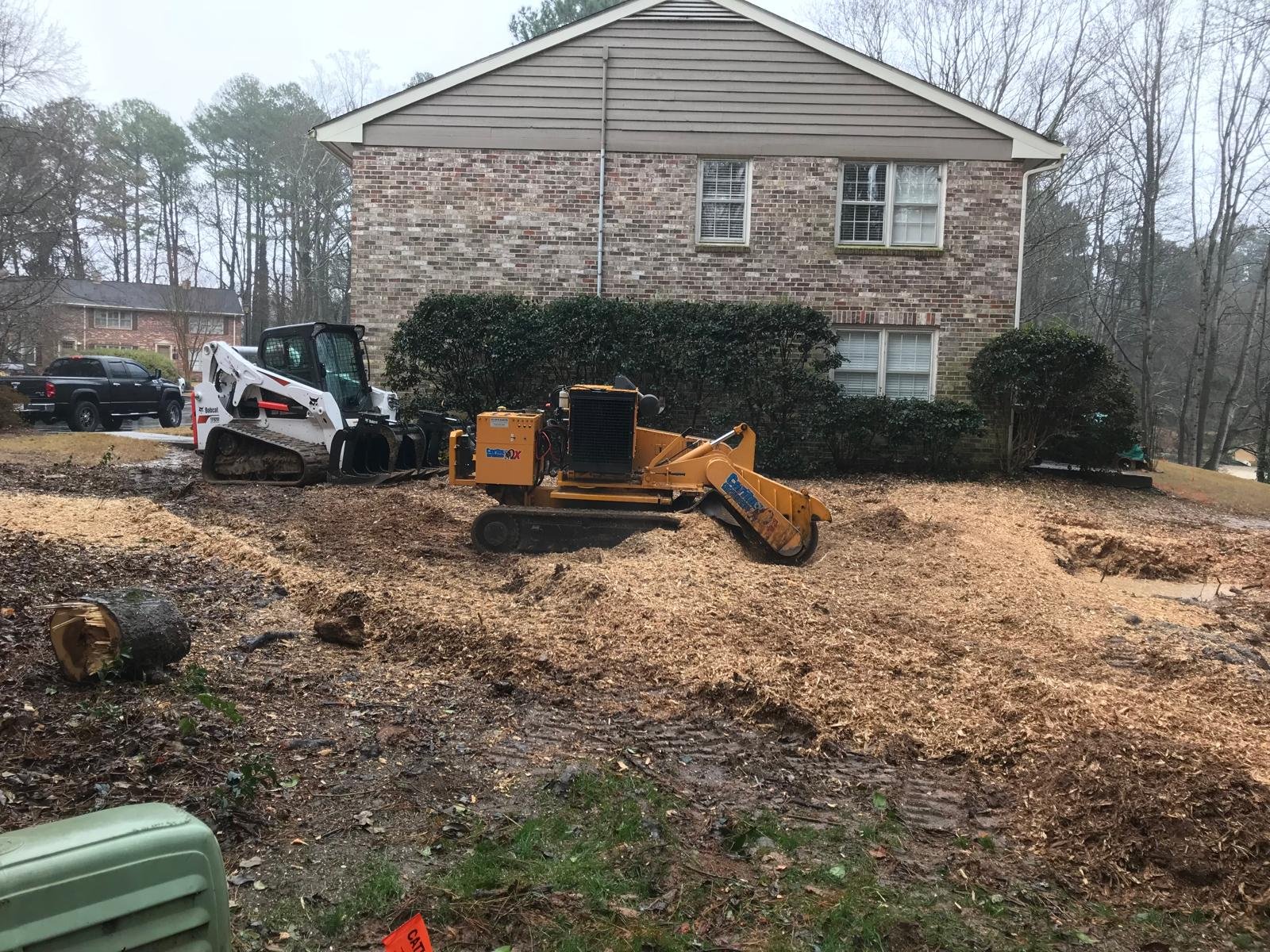
Understanding North Fulton's Tree Care Landscape
The communities stretching from Alpharetta through Johns Creek to Suwanee feature a diverse mix of properties that create distinct tree care requirements. Understanding these differences allows us to provide services perfectly matched to your property’s specific needs.
Modern estates with carefully planned landscapes dominate many of the area’s newer developments. These properties often feature specimen trees selected for their aesthetic value, positioned strategically to frame architecture and create outdoor rooms. Trees on these properties require maintenance that preserves their designer intent while ensuring long-term health.
Golf course communities where trees frame fairways and backyards create unique care requirements. Properties adjacent to courses benefit from the park-like setting while facing specific challenges related to golf ball impacts, shared maintenance responsibilities, and aesthetics that serve both private enjoyment and course beauty.
Established neighborhoods with maturing tree canopies represent the area’s older sections, where trees planted 20-30 years ago have reached substantial size. These properties require increasingly sophisticated care as trees enter their mature phase, demanding expert assessment and proactive maintenance.
New construction areas requiring strategic tree selection and planting guidance benefit from professional consultation. Choosing appropriate species, ensuring proper planting techniques, and establishing young trees correctly creates the mature landscapes that will define these properties in coming decades.
This variety creates distinct tree care needs across different property types and ages. Our team adapts services to match each property’s unique characteristics and requirements.
Tree Care for Modern Estates and Large Properties
Many Johns Creek and Alpharetta homes sit on lots ranging from one to five acres, featuring extensive landscaping that showcases the area’s finest residential design. These properties demand tree care that matches the sophistication of their overall landscape plans.
Specimen Trees as Landscape Focal Points
Premium properties often showcase exceptional individual trees—Japanese maples with distinctive form and fall color, specimen magnolias providing year-round structure and spring blooms, or architectural evergreens creating vertical interest and winter presence.
These trees require specialized pruning that maintains their distinctive forms. Japanese maples, for instance, benefit from selective thinning that preserves their natural architecture while allowing light to penetrate their canopy. Improper pruning can destroy the elegant branch structure that makes these trees valuable.
Specimen magnolias require careful attention to their flowering wood, with pruning timed and executed to maximize bloom while maintaining their distinctive pyramidal or columnar forms. Our arborists understand when and how to prune these trees for optimal health and aesthetic impact.
Health treatments for specimen trees protect significant investments. Fertilization programs, pest management, and disease prevention ensure these focal point trees maintain their vigor and appearance year after year. A single specimen tree can represent thousands of dollars in landscape value, making professional care essential protection.
Mixed Hardwood Groves
Developers often preserved existing hardwood stands during construction, creating mature tree coverage around newer homes. These preserved areas provide immediate shade, privacy, and the established feeling that makes properties attractive, but they may face challenges years after construction completion.
Construction stress can manifest slowly in preserved trees. Root damage from grading, soil compaction from heavy equipment, and changes to drainage patterns may not show symptoms for 3-5 years after construction. Trees that appeared healthy at move-in can begin declining, requiring expert intervention to save or recommendations for removal before they become hazardous.
Competition between preserved trees creates thinning opportunities. In natural forests, trees self-thin as they mature, with weaker specimens dying as dominant trees expand. In residential settings, this natural process can create hazards and aesthetic problems. Selective removal of declining or poorly formed trees protects the best specimens while improving overall grove health.
Edge effects where preserved groves meet lawn areas require management. Trees accustomed to forest conditions may struggle when suddenly exposed to increased light, wind, and altered moisture patterns. Our team identifies trees experiencing edge stress and provides treatments or recommends removal when trees cannot adapt.
Strategic Windbreaks and Privacy Screens
Larger lots frequently feature planted screens of fast-growing species designed to provide privacy and wind protection. Leyland cypress, privacy hollies, arborvitae, and other screening plants require regular maintenance to remain healthy and effective.
Leyland cypress screens are popular throughout North Fulton but require consistent management. These fast-growing trees can reach 40-60 feet but become top-heavy and prone to storm damage without regular trimming. Annual or biennial trimming maintains dense growth while preventing the sparse, gappy appearance that develops when these trees are neglected.
Disease management for screening plants prevents catastrophic loss. Bagworms, spider mites, and canker diseases can quickly damage or kill screening plants, creating privacy gaps and aesthetic problems. Our monitoring and treatment programs identify problems early, protecting your screening investment.
Replacement planning for mature screens ensures continued privacy. Screening plants have finite lifespans, and having a succession plan prevents sudden exposure when screens fail. We help property owners plan strategic replacements that maintain privacy while rejuvenating aging screens.
Height and density management keeps screens proportional to property scale while maintaining function. Overgrown screens can overwhelm landscapes and create excessive shade, while inadequate density fails to provide intended screening. Professional management maintains the balance between function and aesthetics.
Serving North Fulton and Gwinnett's Premier Communities
We provide comprehensive tree services throughout the area’s most desirable communities, bringing the same commitment to excellence to every property we serve.
Johns Creek, including Country Club of the South, St. Ives Country Club, and surrounding neighborhoods, receives regular service from our experienced crews familiar with the area’s specific needs and character.
Alpharetta, including The Manor Golf & Country Club, Windward, Avalon area, and throughout the city, benefits from our expertise with both newer landscapes and more established tree care requirements.
Milton and surrounding North Fulton areas with larger properties and extensive tree coverage receive services designed for substantial landscapes where trees play central roles in property character.
Suwanee and South Forsyth communities bordering our service area benefit from our comprehensive expertise and responsive service model.
Duluth and Berkeley Lake areas, where waterfront properties and diverse landscapes create unique requirements, receive expert attention tailored to these specialized settings.
Peachtree Corners and surrounding Gwinnett areas where newer development meets established neighborhoods benefit from our flexible service approach that adapts to varying property types.
We offer a complete range of professional tree services throughout Johns Creek, Alpharetta, Milton, and surrounding North Fulton and Gwinnett communities. This includes Emergency Tree Removal with 24/7 response for hazardous situations, Preventive Tree Trimming and Pruning tailored to specimen trees, hardwood groves, and privacy screens, Stump Grinding to below-grade level with full debris cleanup, Tree Health Assessments by ISA-certified arborists for construction-stressed and maturing trees, Hazardous Tree Evaluation for storm-damaged and structurally compromised specimens, Storm Damage Cleanup with complete debris hauling, Privacy Screen Maintenance for Leyland cypress, arborvitae, and holly screens, Land Clearing for residential and commercial development, Specimen Tree Care including Japanese maples and magnolias, and Permit Assistance for regulated tree removals in Johns Creek and Alpharetta’s city jurisdictions. Free estimates available for all non-emergency services — call (678) 940-6503 or visit franciscotrees911.com.
Yes — both Johns Creek and Alpharetta have their own municipal tree ordinances that regulate tree removal on private property, and requirements differ between the two cities. The City of Johns Creek enforces a Tree Preservation Ordinance that requires permits for removal of trees above a designated diameter threshold, with replacement tree requirements tied to the size and species of trees removed. The City of Alpharetta has its own tree protection regulations, particularly active in residential developments and areas with tree protection easements, which are common in master-planned communities throughout North Fulton. Properties in Milton fall under Cherokee County or City of Milton jurisdiction depending on location, each with distinct regulations. HOA communities throughout Johns Creek and Alpharetta — including Country Club of the South, St. Ives, The Manor, and Windward — may have additional tree removal approval requirements layered on top of city ordinances. Francisco’s Trees 24/7 handles the full permit research and application process for Johns Creek and Alpharetta removals — call (678) 940-6503 before removing any significant tree on your North Fulton property.
Leyland cypress screens are one of the most common — and most frequently mismanaged — landscape features in Johns Creek and Alpharetta communities. The most critical mistake homeowners make is allowing these fast-growing trees to go years without trimming, resulting in top-heavy structures with sparse interior growth that become increasingly storm-vulnerable and difficult to correct. Proper Leyland cypress management follows a consistent schedule: annual or biennial trimming maintains dense lateral growth while controlling height and preventing the gappy, open appearance that develops in neglected screens; trimming should never remove more than one-third of the current year’s growth to avoid exposing brown interior wood that will not regenerate; and height management is most effective when started early — dramatically reducing an overgrown screen is far more damaging to the tree than consistent annual maintenance from the start. Our team also monitors for bagworm infestations, which can defoliate large sections of a screen rapidly during summer months, and Seiridium canker disease, which causes progressive branch dieback and is the leading killer of mature Leyland cypress screens throughout North Fulton and Gwinnett Counties. Call (678) 940-6503 to schedule a screen assessment and maintenance plan for your Johns Creek or Alpharetta property.
This is one of the most common and least understood tree problems in Johns Creek and Alpharetta’s newer developments, where builders preserved existing hardwood groves during construction to provide immediate mature canopy. The challenge is that construction damage to trees is a slow-moving problem — root damage from grading equipment, soil compaction from heavy machinery, changes to natural drainage patterns, and trenching for utilities can all severely injure a tree’s root system without producing any visible symptoms for 3 to 5 years after construction is completed. By the time homeowners notice thinning canopy, dead branches, or declining growth, the underlying injury is often well advanced. Compounding this, newly exposed edges of preserved tree groves face sudden changes in wind exposure, sunlight intensity, and soil moisture that forest-grown trees are not adapted to handle. Our ISA-certified arborists are specifically trained to assess construction-stressed trees — evaluating root zone health, soil compaction, drainage issues, and structural integrity — and to recommend treatments that can reverse decline in trees that still have viable recovery potential, or safe removal for those that have crossed into hazard territory. If your Johns Creek or Alpharetta home was built in the last 5–10 years and your preserved trees are showing any decline, call (678) 940-6503 for a professional evaluation before the next storm season.
Golf course community properties present a unique combination of tree care considerations that we encounter regularly throughout Country Club of the South, St. Ives Country Club, The Manor Golf & Country Club, and Windward in Alpharetta. Properties adjacent to fairways have shared visual context — trees frame both your private backyard and the golf course scenery, meaning trimming and removal decisions affect the aesthetic experience of neighboring properties and course operations simultaneously. We coordinate with both homeowners and HOA or course management as needed when work involves trees that are visible from or adjacent to the course. Golf ball impacts are a genuine tree health concern — repeated strikes to the same trunk section cause cumulative cambium damage that can create disease entry points over time; our arborists assess bark damage patterns during routine evaluations. Many golf community HOAs have specific contractor approval requirements, pre-work notification procedures, and operating hour restrictions — we know these requirements from working in these communities regularly and operate within their standards as a matter of course. For tree removal adjacent to fairways or water features, we also plan equipment positioning to protect turf and avoid disrupting course operations.
North Fulton’s tree population includes several species that present elevated storm risk, and knowing which trees on your property fall into these categories helps prioritize preventive care. Loblolly pines — extremely common throughout Johns Creek and Alpharetta neighborhoods — have shallow root systems relative to their height and are prone to uprooting in saturated soil after heavy rain; mature pines over 50 feet tall within falling distance of structures should be assessed annually. Bradford and Callery pears, widely planted in North Fulton’s subdivisions through the 1990s and 2000s, have a genetically weak branch attachment angle that causes them to split apart in winds as moderate as 40 mph — these trees have a finite functional lifespan and should be replaced proactively before storm season. Leyland cypress screens that have not been regularly trimmed develop top-heavy crowns and shallow root systems that fail as a group during high winds, taking down entire privacy screens. Red maples planted near structures can develop co-dominant stems with included bark — a structural weakness where two trunks grow together in a V-shape that is prone to splitting in ice and wind events. Our certified arborists identify these risk factors during property assessments and provide a clear priority ranking so you can address the highest-risk trees first.
Specimen trees represent significant landscape investments on North Fulton estate properties, and their care requires a completely different approach from standard shade tree management. Japanese maples are the most commonly mishandled specimen tree in Georgia — they should never be topped, sheared, or heavily pruned during summer heat, as these practices destroy their naturally elegant branch architecture and trigger stress responses in Georgia’s climate. Proper Japanese maple care involves selective thinning of interior crossing branches in late winter before bud break, minor corrective pruning in late summer after the heat stress period ends, and complete avoidance of large pruning cuts that leave wounds the tree’s relatively thin bark cannot close quickly. Specimen magnolias are pruned with attention to their flowering wood and natural form — major structural work is timed for late spring after bloom ends. Ornamental cherries and crabapples require pruning that removes water sprouts and maintains open canopy structure for disease prevention, as Georgia’s humidity makes these species prone to fungal issues in dense canopy conditions. Weeping trees of any species require careful selective thinning rather than heading cuts that destroy the cascading branch structure that defines their ornamental value. Our arborists treat each specimen tree as an individual with specific requirements — not a generic pruning template applied across your entire property.
Yes — Johns Creek and Alpharetta are fully within our 24/7 emergency coverage area throughout North Fulton County, and we respond to emergency tree situations at any hour including nights, weekends, and holidays. When severe weather impacts North Fulton — which happens multiple times annually through thunderstorms, tropical storm remnants, and occasional tornado activity — our dispatch stays live and operational throughout the event, queuing calls and deploying crews the moment conditions are safe enough to work. For Johns Creek and Alpharetta properties, emergency response typically arrives within 1–2 hours for active hazard situations. When a tree falls on a North Fulton estate, the complexity of the removal often requires more planning than a standard residential emergency — large specimen trees resting on custom rooflines, pool enclosures, or adjacent to golf course property require ISA-certified arborist assessment and professional rigging before any cutting begins. Save our number now — (678) 940-6503 — and if your property has gated access, share it with our team in advance so we’re not delayed at 2 AM when every minute matters. We also provide pre-storm hazard assessments before major weather events so you can address the highest-risk trees on your Johns Creek or Alpharetta property before a storm makes the decision for you.


