

Storm damage tree removal Clarkston GA : Emergency Tree Removal & Preparation Guide
It’s 3 AM on a Tuesday night. Thunder crashes overhead as rain pounds your Clarkston home. Suddenly, you hear the unmistakable crack of splintering wood followed by a thunderous crash that shakes your foundation. A massive loblolly pine has succumbed to the storm winds, and now it’s blocking your driveway—or worse, resting against your home’s structure.
This scenario plays out hundreds of times each year throughout Clarkston and DeKalb County during Georgia’s intense storm season. When you need storm damage tree removal in Clarkston, GA, understanding who to call, how to stay safe, and what immediate actions to take can mean the difference between minor inconvenience and catastrophic property damage.
At Francisco’s Trees 24/7, we’ve responded to countless emergency tree removal situations throughout Georgia over the past decade. From tropical storm remnants to severe thunderstorms and occasional winter ice events, Clarkston’s trees face multiple threats throughout the year. In this comprehensive guide, we’ll cover everything Clarkston homeowners need to know about storm preparation, emergency response, and professional tree removal after severe weather.
Storm damage doesn’t wait for business hours. Call Francisco’s Trees 24/7 at 6789406503 for immediate emergency response in Clarkston.
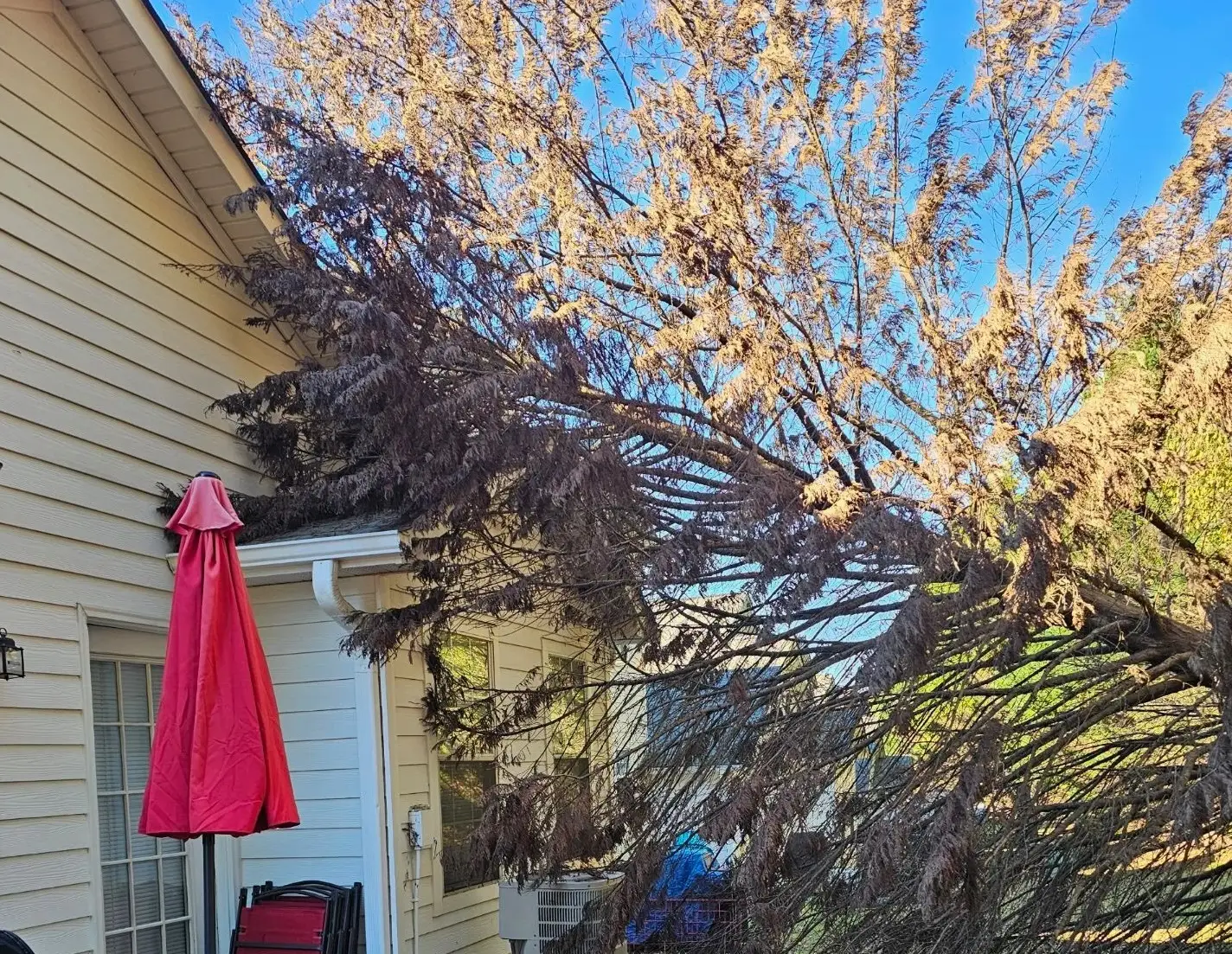
Understanding Storm Threats to Clarkston Trees
Georgia’s location puts Clarkston directly in the path of multiple weather systems throughout the year, each presenting unique threats to your property’s trees.
Thunderstorm Season (Spring and Summer)
Peak Threat Period: March through September
Clarkston experiences severe thunderstorms most frequently during spring and summer months. These powerful weather systems bring multiple threats to trees:
Straight-Line Winds: The most common cause of tree damage in Clarkston, straight-line winds can reach 80+ mph during severe thunderstorms. These winds snap branches, uproot shallow-rooted trees, and can topple even healthy trees if sustained long enough.
Lightning Strikes: Georgia ranks among the highest states for lightning activity. When lightning strikes a tree, it superheats moisture inside the wood, causing explosive damage that can split trunks and send massive branches crashing down. Lightning-damaged trees often require immediate emergency tree removal in Clarkston, GA, as they become structurally unstable.
Heavy Rain and Saturated Soil: Days of rain soften soil around tree roots. When storms then bring high winds, saturated ground offers little resistance, allowing trees to topple with their entire root systems intact—massive hazards that require professional removal equipment.
Hail Damage: While less immediately catastrophic, hail strips leaves and damages branches, weakening trees over time and making them more susceptible to future storm damage.
Tropical Systems and Hurricane Remnants
Peak Threat Period: June through November
While Clarkston sits inland from Georgia’s coast, tropical storm and hurricane remnants regularly impact the area:
Sustained High Winds: Unlike brief thunderstorm winds, tropical systems bring hours of sustained high winds that continuously stress trees, gradually breaking branches and eventually toppling weakened trees.
Massive Rainfall: Tropical systems dump incredible amounts of rain in short periods. The combination of saturated soil and sustained winds creates perfect conditions for widespread tree failures throughout Clarkston neighborhoods.
Compounding Effects: Trees already stressed from summer drought or previous storm damage are especially vulnerable when tropical systems arrive, often failing suddenly without warning.
Winter Ice Storms
Peak Threat Period: December through February
While less frequent than summer storms, winter ice events cause some of the most extensive tree damage in Clarkston:
Ice Accumulation: Even a half-inch of ice coating branches adds tremendous weight. Southern red oaks and other deciduous trees with spreading canopies become especially vulnerable, with branches snapping under the ice load.
Frozen Ground: When ice storms strike after extended freezing periods, frozen ground prevents trees from flexing at their roots, transferring all stress to trunks and branches—often with catastrophic results.
Extended Damage Periods: Unlike summer storms that pass quickly, ice events can last days, allowing ice to continue accumulating and causing progressive branch failures that require ongoing emergency response.
Preparing Your Clarkston Property for Storm Season
Proactive tree management dramatically reduces storm damage risk and the need for emergency tree removal services in Clarkston.
Schedule Professional Tree Assessments
When to Schedule: Early spring and late fall
Certified arborists can identify vulnerable trees before storms arrive:
What Professional Assessments Identify:
- Dead or diseased branches that could fall during storms
- Trees with compromised root systems
- Structural weaknesses in trunks and major branches
- Trees leaning toward structures or power lines
- Species particularly vulnerable to storm damage
- Proper pruning needs to reduce wind resistance
Assessment Benefits:
- Address problems before they become emergencies
- Schedule removal during off-season for better availability
- Prevent property damage and injury
- Identify trees that need cabling or bracing support
- Create a prioritized maintenance plan
Professional assessments provide invaluable information about your property’s storm readiness and help you make informed decisions about tree management.
Proactive Tree Trimming and Pruning
Best Timing: Late winter/early spring (before leaf-out) and after fall leaf drop
Strategic pruning reduces storm damage risk significantly:
Wind Resistance Reduction: Professional pruning removes excess canopy weight and opens the structure to allow wind to pass through rather than catching it like a sail. This technique, called “crown thinning,” can significantly reduce wind load on your trees.
Remove Vulnerable Branches: Dead branches, branches with narrow attachment angles, and branches crossing or rubbing against each other are most likely to fail during storms. Removing these proactively prevents damage.
Raise Canopies: Removing lower branches keeps them away from roofs, vehicles, and structures. If branches do break during storms, they’re less likely to cause property damage.
Balance the Canopy: Unbalanced trees with heavy growth on one side are more likely to topple during storms. Professional pruning can redistribute weight for better stability.
Safety Distance from Structures: Maintain at least 10 feet of clearance between tree canopies and your home. This buffer zone prevents most branch damage to structures during typical storms.
Identify and Remove Hazardous Trees
Some trees should be removed before storm season arrives:
High-Risk Trees Requiring Removal:
Dead or Dying Trees: These have zero structural integrity and will fail during any significant storm. Dead trees within falling distance of structures, roads, or power lines should be removed immediately.
Severely Diseased Trees: Fungal decay, extensive insect damage, or disease significantly weakens wood structure. Even trees that appear healthy from outside may have hollow trunks or rotted roots.
Leaning Trees: Trees leaning more than 15 degrees, especially toward structures, are under constant stress and likely to fail during storms. If the lean developed suddenly, the tree has already begun failing.
Trees with Root Damage: Construction damage, soil erosion, or severed roots compromise stability. Trees with significant root damage should be considered for removal.
Shallow-Rooted Species in Exposed Locations: Some species like Bradford pears have weak wood and shallow roots, making them particularly vulnerable in exposed locations with high wind exposure.
Removing high-risk trees before storm season is more convenient and safer than emergency removal after they fall. Schedule an inspection with Francisco’s Trees 24/7 to identify vulnerable trees on your Clarkston property.
Create an Emergency Tree Service Plan
Before Storm Season Arrives:
Document Your Trees:
- Photograph all major trees from multiple angles
- Note trees near structures, utilities, or property lines
- Map tree locations on property diagram
- Share documentation with your insurance company
Identify Safe Zones:
- Determine safest areas inside your home away from trees
- Know which rooms have no trees overhead or adjacent
- Identify interior hallways or bathrooms for shelter
Prepare Emergency Contacts:
- Save Francisco’s Trees 24/7 number in your phone: [YOUR-PHONE-NUMBER]
- Have insurance company contact information readily available
- Know your utility company emergency numbers
- Save contact information for your insurance agent
Keep Emergency Supplies Ready:
- Flashlights and batteries
- Battery-powered radio for weather updates
- First aid kit
- Tarps and rope for temporary coverage of damaged areas
- Camera or smartphone for documenting damage
- Generator if your area experiences frequent power outages
Don't Wait for the Next Storm—Prepare Now
Proactive tree management dramatically reduces storm damage risk and the need for emergency tree removal services in Clarkston.
Schedule Professional Tree Assessments
When to Schedule: Early spring and late fall
Certified arborists can identify vulnerable trees before storms arrive:
What Professional Assessments Identify:
- Dead or diseased branches that could fall during storms
- Trees with compromised root systems
- Structural weaknesses in trunks and major branches
- Trees leaning toward structures or power lines
- Species particularly vulnerable to storm damage
- Proper pruning needs to reduce wind resistance
Assessment Benefits:
- Address problems before they become emergencies
- Schedule removal during off-season for better availability
- Prevent property damage and injury
- Identify trees that need cabling or bracing support
- Create a prioritized maintenance plan
Professional assessments provide invaluable information about your property’s storm readiness and help you make informed decisions about tree management.
Proactive Tree Trimming and Pruning
Best Timing: Late winter/early spring (before leaf-out) and after fall leaf drop
Strategic pruning reduces storm damage risk significantly:
Wind Resistance Reduction: Professional pruning removes excess canopy weight and opens the structure to allow wind to pass through rather than catching it like a sail. This technique, called “crown thinning,” can significantly reduce wind load on your trees.
Remove Vulnerable Branches: Dead branches, branches with narrow attachment angles, and branches crossing or rubbing against each other are most likely to fail during storms. Removing these proactively prevents damage.
Raise Canopies: Removing lower branches keeps them away from roofs, vehicles, and structures. If branches do break during storms, they’re less likely to cause property damage.
Balance the Canopy: Unbalanced trees with heavy growth on one side are more likely to topple during storms. Professional pruning can redistribute weight for better stability.
Safety Distance from Structures: Maintain at least 10 feet of clearance between tree canopies and your home. This buffer zone prevents most branch damage to structures during typical storms.
Identify and Remove Hazardous Trees
Some trees should be removed before storm season arrives:
High-Risk Trees Requiring Removal:
Dead or Dying Trees: These have zero structural integrity and will fail during any significant storm. Dead trees within falling distance of structures, roads, or power lines should be removed immediately.
Severely Diseased Trees: Fungal decay, extensive insect damage, or disease significantly weakens wood structure. Even trees that appear healthy from outside may have hollow trunks or rotted roots.
Leaning Trees: Trees leaning more than 15 degrees, especially toward structures, are under constant stress and likely to fail during storms. If the lean developed suddenly, the tree has already begun failing.
Trees with Root Damage: Construction damage, soil erosion, or severed roots compromise stability. Trees with significant root damage should be considered for removal.
Shallow-Rooted Species in Exposed Locations: Some species like Bradford pears have weak wood and shallow roots, making them particularly vulnerable in exposed locations with high wind exposure.
Removing high-risk trees before storm season is more convenient and safer than emergency removal after they fall. Schedule an inspection with Francisco’s Trees 24/7 to identify vulnerable trees on your Clarkston property.
Create an Emergency Tree Service Plan
Before Storm Season Arrives:
Document Your Trees:
- Photograph all major trees from multiple angles
- Note trees near structures, utilities, or property lines
- Map tree locations on property diagram
- Share documentation with your insurance company
Identify Safe Zones:
- Determine safest areas inside your home away from trees
- Know which rooms have no trees overhead or adjacent
- Identify interior hallways or bathrooms for shelter
Prepare Emergency Contacts:
- Save Francisco’s Trees 24/7 number in your phone: [YOUR-PHONE-NUMBER]
- Have insurance company contact information readily available
- Know your utility company emergency numbers
- Save contact information for your insurance agent
Keep Emergency Supplies Ready:
- Flashlights and batteries
- Battery-powered radio for weather updates
- First aid kit
- Tarps and rope for temporary coverage of damaged areas
- Camera or smartphone for documenting damage
- Generator if your area experiences frequent power outages


